10 Best Flutes 2026 in the United States

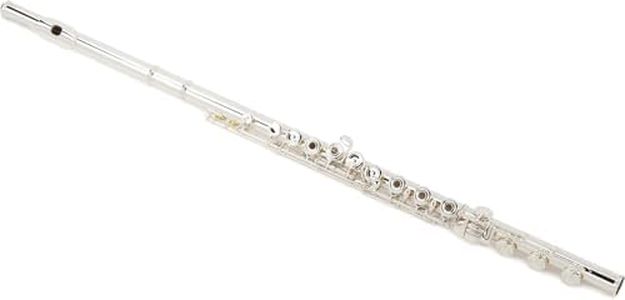
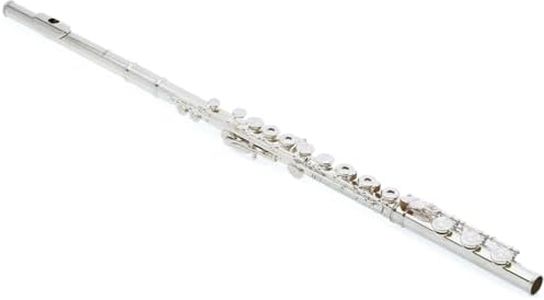
Related Products
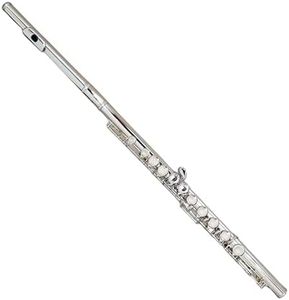
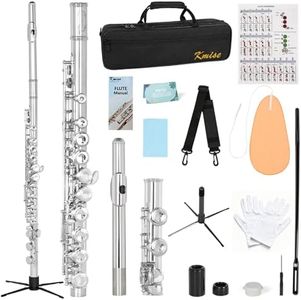



Our technology thoroughly searches through the online shopping world, reviewing hundreds of sites. We then process and analyze this information, updating in real-time to bring you the latest top-rated products. This way, you always get the best and most current options available.

Our Top Picks
Winner
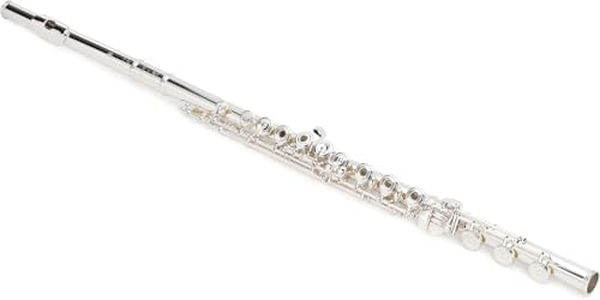
Yamaha YFL-577HCT Professional Flute - C# Trill, Split E, and Gizmo Key
Most important from
3 reviews
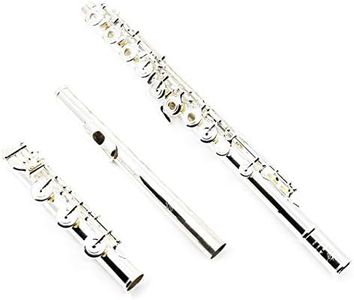
The Yamaha YFL-577HCT is a professional-level flute crafted with a combination of nickel and silver, giving it a polished finish that is both attractive and durable. It features a split E mechanism, a C# trill key, and a gizmo key, which are designed to help players with tricky fingerings and improve playability. The headjoint is silver, contributing to a rich, focused tone appreciated in advanced performance. It uses an offset G key mechanism, providing more comfort for many players, especially those with smaller hands or wrist concerns, as it helps reduce strain. The footjoint design supports a full range of notes typical for professional flutes.
Weighing about 3.5 pounds, it is reasonably light for a professional instrument, making it easier to handle during longer playing sessions. This flute comes with a sturdy case that protects the instrument well for travel or storage. Positioned in a mid-range price area for professional flutes, it is well suited for advancing students and semi-professional players seeking reliable features without moving into the highest price tiers. Its polished nickel-silver body offers a bright and clear sound, although some players might prefer a full silver body for a warmer tone.
The YFL-577HCT is a thoughtfully designed flute that balances playability, sound quality, and durability, making it a solid choice for serious flute students and professionals looking for dependable performance features.
Most important from
3 reviews
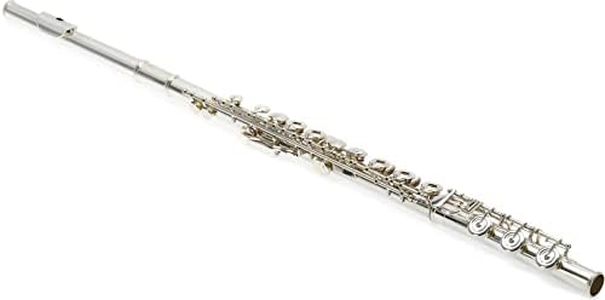
Yamaha YFL-222 Intermediate Flute for Student (International Version)
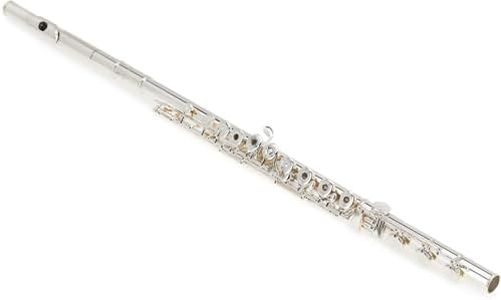
The Yamaha YFL-222 Intermediate Flute is a solid choice for students and beginner musicians looking to advance their skills. Made from nickel silver, it offers a sturdy and reliable build, which is essential for durability as you practice. The silver-plated keys provide a smooth playing experience, enhancing comfort while you learn. One notable feature is the Offset G key system, which can be more ergonomic for some players, making it easier to reach certain keys compared to an inline G setup. This is particularly helpful for younger or smaller players.
In terms of performance, this flute offers a good tone quality suitable for various musical styles, which can be beneficial as students explore different genres. However, there are a few drawbacks to consider. While the flute is designed for student use, more advanced players may find it lacking in some tonal richness and projection compared to higher-end models. Additionally, the flute's weight at 2.86 pounds, while not excessively heavy, might be cumbersome for younger players during extended practice sessions.
The Yamaha YFL-222 is not the most portable option given its dimensions, so it's best suited for home practice or lessons rather than frequent travel. For those committed to progressing in their flute playing, this instrument offers a nice balance of quality and affordability, making it a great stepping stone for aspiring musicians.
Yamaha YFL-482H Intermediate Flute with Inline Key System
Most important from
1 reviews
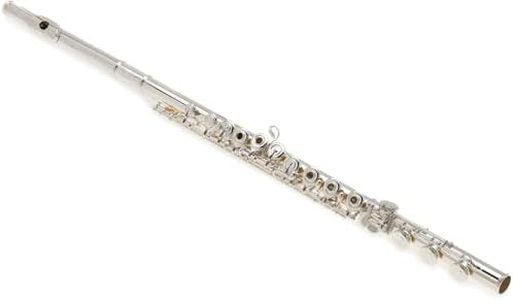
The Yamaha YFL-482H is an intermediate-level flute designed with a sterling silver body and silver-plated keys, which gives it a rich, clear tone appreciated by players as they improve their skills. The polished finish adds a nice touch of elegance and durability. It features an inline G key system, where the G keys line up in a straight row—a common setup favored by many flutists for its traditional feel, though some beginners find offset G keys easier to handle.
This flute comes with a standard footjoint, affecting the range and comfort for different playing styles. The key mechanism is smooth and responsive, making it easier for intermediate players to execute more complex pieces. It also includes a handy carrying bag for protection and transport. Weighing about 3.5 pounds, it is reasonably light for comfortable practice and performance sessions.
A small downside could be that the inline G system may not suit everyone’s hand shape, but Yamaha’s build quality helps make playing enjoyable. For intermediate flutists seeking a reliable, well-crafted silver flute that balances quality and ease of use, the YFL-482H is a solid choice.
Most important from
1 reviews
Buying Guide for the Best Flutes
Choosing the right flute can be a rewarding experience, whether you're a beginner or an experienced player. The key to finding the best flute for you lies in understanding the different specifications and how they impact the instrument's playability and sound. By considering your skill level, musical goals, and personal preferences, you can make an informed decision that will enhance your playing experience.FAQ
Most Popular Categories Right Now


